Frequently Asked Questions About Septic, Cesspool & Environmental Services

  • Home
  • Frequently Asked Questions About Septic, Cesspool & Environmental Services

At 2B Environmental Inc., we believe that educated clients are confident clients. That’s why we’ve compiled the most common questions we hear from homeowners, businesses, and property managers across the Big Island. Whether you’re new to septic ownership or navigating an emergency, these answers are here to help.

General Questions About Septic Systems

Most residential septic tanks should be pumped every 3-5 years, depending on the size of the tank and the number of people in the household. If you’re unsure, our team can inspect your system and make a personalized recommendation.
Common warning signs include:
  • Slow drains or gurgling sounds in plumbing
  • Sewage odors around the yard
  • Wet or soggy spots above your drain field
  • Toilets that back up frequently
If you notice any of these, call us right away for emergency septic tank cleaning.
Yes! We offer same-day septic pumping services when available. Our team prioritizes emergencies and makes every effort to respond quickly-especially if you’re experiencing backups or system failure.

Typical House-to-Septic Connection
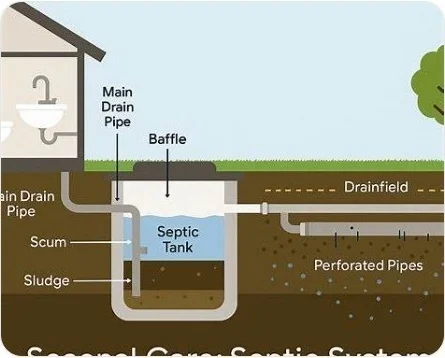


These diagrams show the main pipe from the house entering the septic tank. The process works like this:

  • Wastewater from toilets, sinks, and showers flows through the main drain pipe from the house.
  • The pipe enters the septic tank through an inlet pipe at the top of the tank.
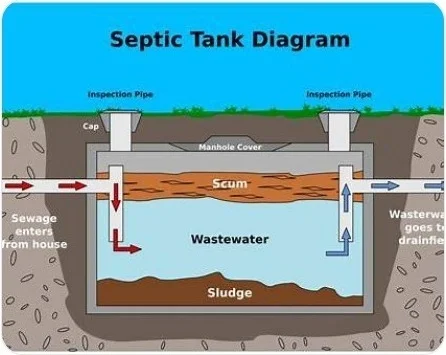
  • Inside the tank, solids settle to the bottom (sludge) and oils float to the top (scum).
  • The middle liquid layer flows out through an outlet pipe to the drainfield.
Cesspools, Dry Wells & Storm Drains


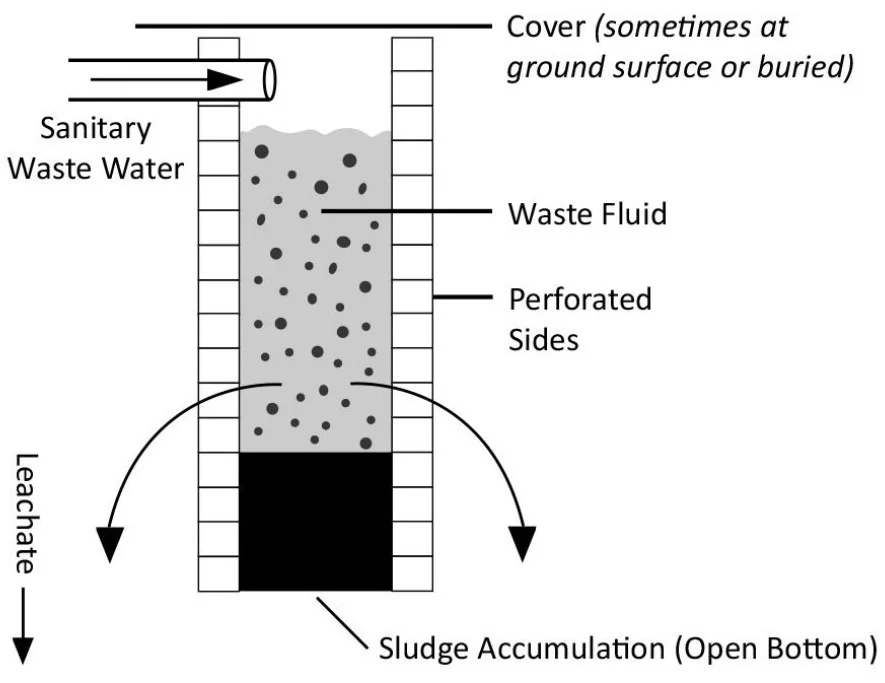
A cesspool is a shallow, underground system for disposing of sanitary waste. Although structures vary, most cesspools consist of a concrete cylinder with an open bottom and/or perforated sides. Sanitary waste from toilets, sinks, and washing machines enters the cesspool and percolates out. While cesspools are designed to capture sanitary waste, they do not treat waste.


The definition of "large-capacity" may vary among states with primary enforcement authority. For example, some states define large-capacity cesspools based on the amount of waste or the volume capacity of the cesspool. Find out if cesspools in your state are directly regulated by EPA, or if your state, tribe, or territory has primary enforcement authority If EPA does not directly implement the Class V injection well program in your area, check with your permitting authority for more information.
Absolutely. Many homes on the Big Island still rely on cesspool systems, and we specialize in safe, compliant cesspool pumping. We also offer upgrade guidance for property owners considering a transition to septic systems.
We provide full maintenance and jetting for stormwater systems, including:
  • Dry wells
  • Storm drains
  • Catch basins
Regular service can prevent property damage during heavy rain and is especially recommended for commercial sites.

Scheduling & Service Areas

2B Environmental serves most of the Big Island, including:
  • Hilo
  • Kamuela / Waimea
  • Kailua-Kona
  • Kawaihae
  • Pāhoa
  • Mountain View
  • Kohala
  • Honokaʻa
  • Surrounding rural areas
If you're not sure whether we serve your region, just give us a call.
You can:
  • Call us directly at (808) 885-7159.
  • Submit a request on our Contact Page
  • Use our Request a Callback form
For emergency service, please call. We respond fastest by phone.

Payment, Pricing & Emergencies

We accept:
  • Visa / Mastercard
  • American Express
  • Discover
  • Checks
  • Cash
You'll receive a full invoice for all services rendered—no surprises.
Our emergency septic and cesspool services include:
  • Same-day response
  • Fast pumping of overflowing tanks
  • Temporary solutions if a full repair is needed
  • Detailed assessment and next-step recommendations
We’re here for you when you need us most.

Septic Safety & Environment

Yes. Proper maintenance:
  • Prevents system failure
  • Saves money on long-term repairs
  • Protects the environment and local groundwater
  • Increases the lifespan of your system
Neglecting your system can result in property damage, contamination, and expensive restoration work.
We combine local knowledge with professional expertise. Here’s what sets us apart:
  • Locally owned & operated since 2007
  • Transparent, upfront communication
  • Emergency response options
  • We treat your land with respect-like it’s our own.
You should have your septic tank pumped out every three to five years.
According to Hawaii's Act 125 of 2017, all cesspools must be converted to septic tanks by 2050.

Still Have Questions? We’re Here to Help.

If your question isn’t listed above, don’t hesitate to reach out. Our team is happy to walk you through the service process, provide a free estimate, or help you plan future maintenance.

Serving

Homeowners and businesses across the Big Island